Shifting into reverse should feel predictable. You move the selector, the transmission engages, and the vehicle begins moving backward without much thought. When there is a pause before engagement, or the car suddenly bumps into reverse with more force than usual, that change is hard to ignore.
The timing of the symptom can reveal useful clues. Some vehicles act differently only when cold, while others develop the problem after warming up. A delay followed by a hard jolt can point technicians toward hydraulic pressure, fluid condition, electronic controls, drivetrain mounts, or internal transmission wear.
Low Transmission Fluid Can Affect Reverse Engagement
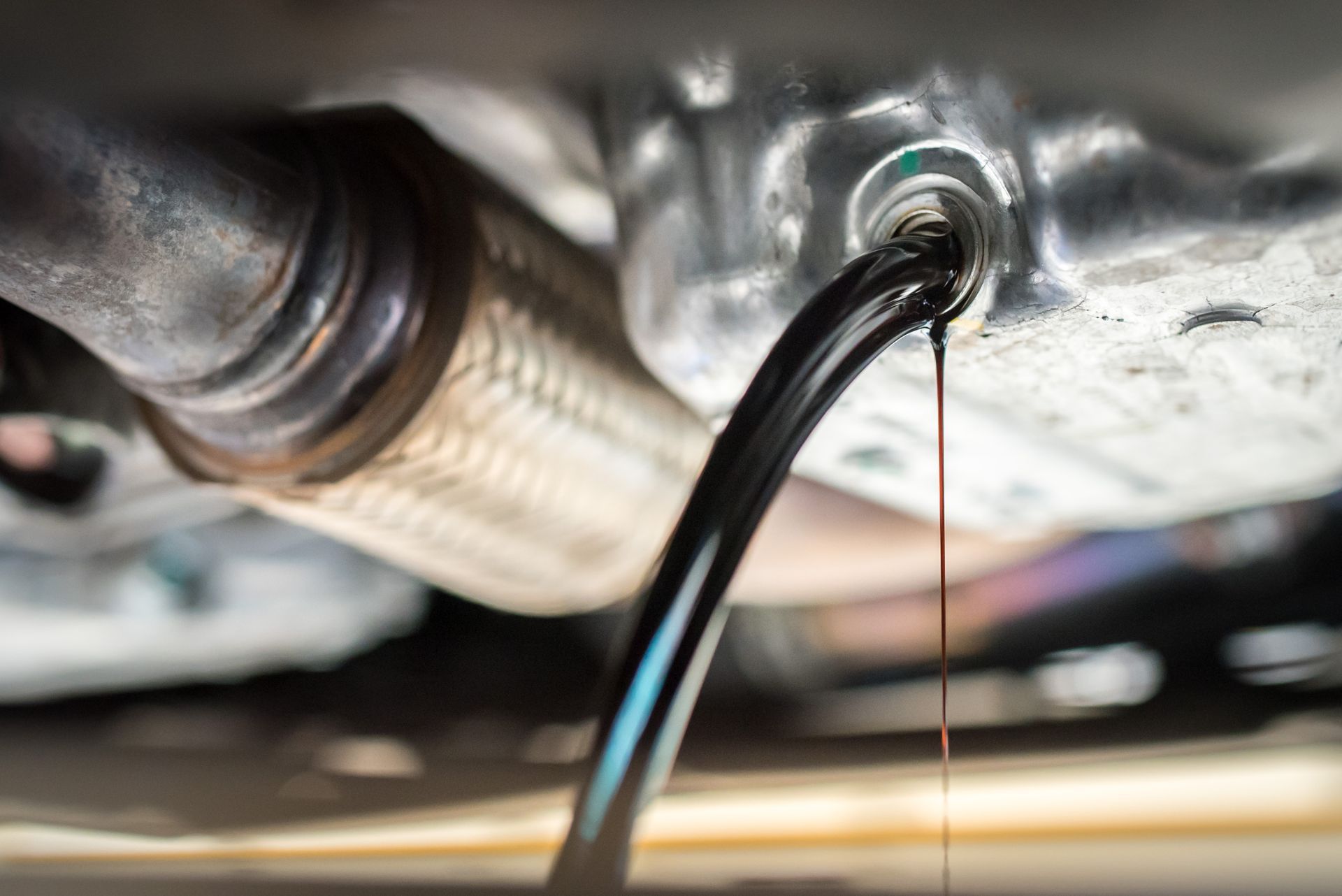
Automatic transmissions depend on fluid to create hydraulic pressure, lubricate internal parts, and operate clutch packs and valves. If the fluid level becomes too low, the transmission may take longer to build enough pressure to engage reverse.
A delayed engagement can then be followed by a noticeable bump once pressure finally rises. Low fluid usually means there is a leak somewhere, so topping it off without finding the source is not a complete repair. Technicians may inspect seals, cooler lines, transmission pans, and axle seal areas.
Old or Incorrect Fluid Can Change How the Transmission Responds
Transmission fluid changes as it ages. Heat and normal operation can reduce its ability to perform as intended, while contamination from internal wear can affect valves and hydraulic passages.
Using the wrong fluid can create similar problems because modern transmissions are often very specific about viscosity and friction characteristics. A fluid that does not meet the correct specification may influence clutch application, shift timing, and pressure control. That is why fluid service should always follow the requirements for the exact transmission.
A Valve Body Problem Can Delay Pressure Application
The valve body directs transmission fluid to the correct circuits as different gears are selected. It contains passages, valves, and solenoids that control how quickly and firmly internal clutches apply.
If a valve begins sticking or a passage becomes worn, reverse engagement may take longer than it should. Once pressure finally reaches the necessary circuit, the clutch can apply suddenly and create a jolt. Some valve body problems are more noticeable at certain temperatures because fluid thickness changes as the transmission warms up.
Shift Solenoids and Electronic Controls Can Be Involved
Modern automatic transmissions rely heavily on electronic controls. The transmission computer uses solenoids to regulate hydraulic pressure and direct fluid through the valve body.
If a solenoid is slow, sticking, electrically faulty, or not responding as commanded, reverse engagement can be affected. Wiring concerns, poor electrical connections, or control module faults can create similar symptoms. Scanning the transmission computer for stored codes and reviewing live data can help determine whether the issue is electronic or hydraulic.
Internal Clutch Wear Can Cause a Delay
Automatic transmissions use internal clutch packs to hold specific components when a gear is selected. Reverse often depends on a particular clutch or combination of elements that may not be used in exactly the same way during forward driving.
As clutch material wears, internal clearances can increase, and hydraulic seals can lose their ability to hold pressure efficiently. The transmission may then require extra time to apply reverse. If the clutch finally engages after pressure builds, the result can feel like a hard bump or jolt.
Possible signs of an internal transmission concern include:
- Reverse takes several seconds to engage
- The delay becomes worse as mileage increases
- Reverse slips after engagement
- Transmission fluid smells burned
- Forward gears also begin shifting abnormally
- A warning light or transmission message appears
These signs do not automatically mean the entire transmission needs replacement, but they justify a more complete inspection.
Engine and Transmission Mounts Can Make the Jolt Feel Worse
Sometimes the transmission engages at roughly the right time, but worn mounts make the feel much harsher than it actually is.
Engine and transmission mounts control how much the drivetrain can move when torque changes direction. Reverse applies load differently from drive, so a weak mount may allow the engine or transmission to shift noticeably when reverse engages. The driver may feel a strong thump even though the transmission isn't slipping.
Temperature Can Help Narrow Down the Cause
A delay that occurs only during the first shift into reverse on a cold morning can provide different information from a problem that appears after the vehicle has been driven for an hour.
Cold fluid is thicker, and worn seals or hydraulic components can react differently until the transmission warms. On the other hand, some internal leaks become more obvious when hot fluid becomes thinner. Keeping track of when the problem happens can make diagnostic testing much more efficient.
Do Not Rev the Engine While Waiting for Reverse
If reverse takes a few seconds to engage, it can be tempting to press the accelerator to make something happen. That can make the eventual engagement much harsher.
When the transmission finally applies reverse while engine speed is elevated, the sudden load can place additional stress on clutch packs, mounts, axles, and other drivetrain components. It is better to keep your foot on the brake and have the delay checked if it becomes a recurring problem.
A Transmission Service Will Not Fix Every Reverse Problem
Fresh fluid can help when service is due, and the transmission is otherwise healthy, but it should not be treated as a universal fix for delayed reverse engagement.
If the cause is a worn clutch pack, damaged valve body, faulty solenoid, or internal pressure leak, fluid replacement alone may not correct the problem. Technicians need to evaluate fluid condition, operating pressure, fault codes, engagement time, and other symptoms before deciding what repair makes sense.
How Technicians Diagnose a Delayed or Harsh Reverse Shift
The process usually begins by reproducing the complaint. Technicians pay attention to how long reverse takes to engage, whether the jolt happens cold or warm, and whether forward gears behave normally.
From there, they may inspect fluid level and condition, scan transmission control modules, check mounts, review live data, and perform pressure or electrical testing when needed. An inspection of the complete drivetrain helps separate a transmission problem from a mount, axle, or control concern that only feels like one.
Get Transmission Service in Spokane Valley, WA, With AutoCraft
AutoCraft in Spokane Valley, WA, can inspect delayed reverse engagement, harsh shifting, transmission fluid concerns, mounts, solenoids, and other drivetrain issues.
If your vehicle hesitates before going into reverse or has started jolting when reverse engages,
contact us to schedule diagnostic testing and service.