Finding the right repair shop saves money, time, and a lot of frustration. A reliable shop explains work clearly, earns your consent before repairs, and stands behind the result.
Use this guide to evaluate options in Spokane Valley and feel confident about who touches your vehicle.
Start With Certifications and Real Experience
Look for ASE-certified technicians and proof of ongoing training. Modern vehicles use complex electronics, ADAS sensors, and specific fluids that change year to year. A shop that invests in training and factory-level scan tools can accurately diagnose problems instead of guessing.
Our technicians routinely update certifications, which pays off when a “simple” dashboard light hides a network or sensor issue.
Check Reviews the Smart Way
Ratings help, but read the stories behind them. Prioritize detailed reviews that mention communication, accurate estimates, and successful follow-up service. Note how the shop responds to critical feedback. Calm, solution-focused replies signal accountability.
A long history of consistent reviews often matters more than a sudden burst of perfect scores.
Get Clarity on Estimates and Authorizations
Trustworthy shops put the plan in writing. A solid estimate separates labor, parts, shop supplies, taxes, and any diagnostic time. It also explains what will be inspected first and what happens if hidden damage appears. You should approve changes before work continues.
In our experience, clear authorizations prevent misunderstandings and keep repairs on schedule.
Look for Transparent Diagnostics, Not Guesswork
Good diagnostics have a structure: verify the concern, test, document, and confirm the fix. Ask how the shop approaches drivability issues or warning lights. A reliable answer mentions scan data, pinpoint tests, and service information, not parts swapping.
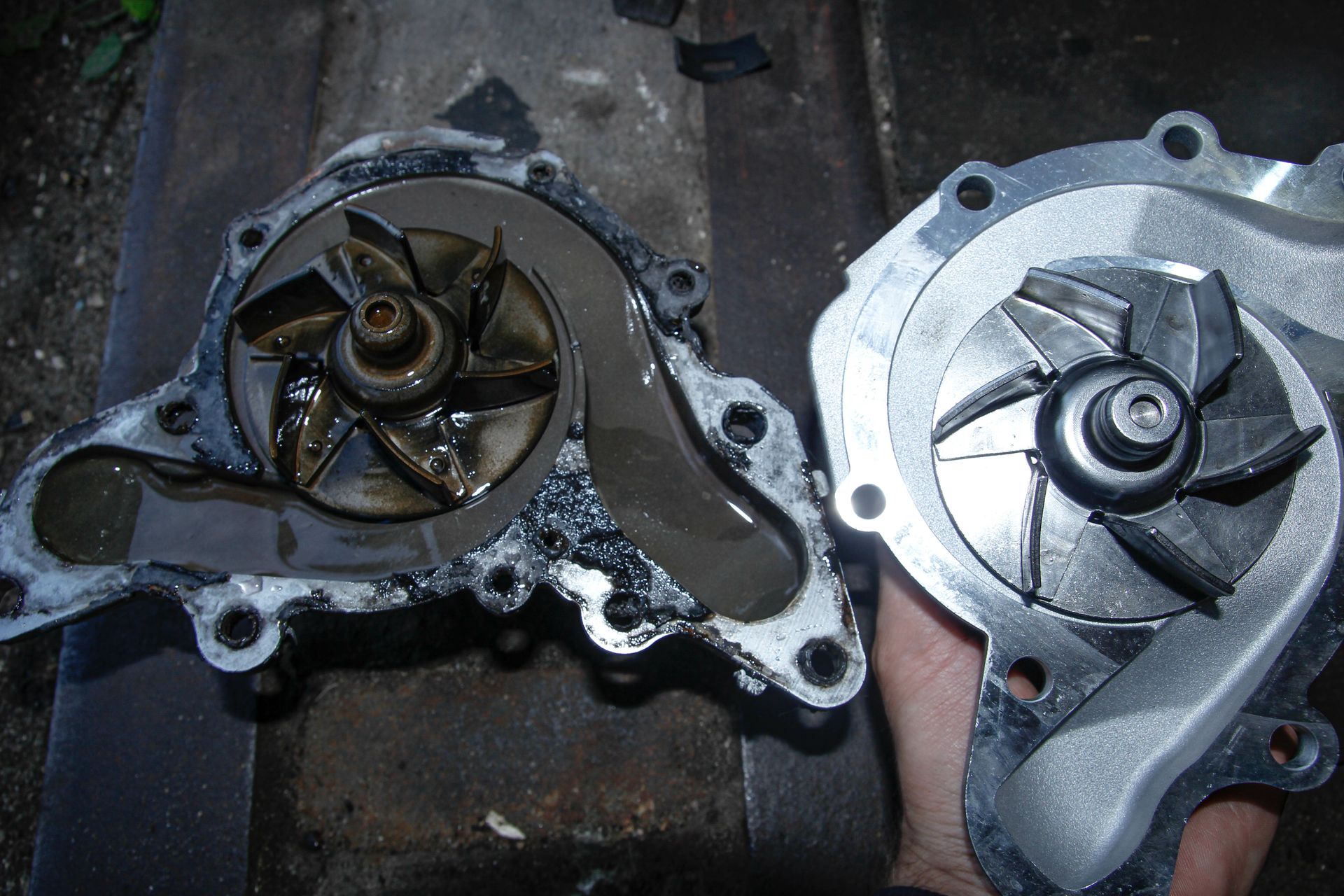
Many shops share photos or short videos of worn components so you can see what they see. That transparency builds trust and helps you make informed choices.
Parts, Warranties, and What They Mean
Parts quality affects longevity. Ask whether the shop uses OEM, high-quality aftermarket, or a mix, and why. Confirm warranty terms on both parts and labor, plus whether the warranty is nationwide through a network or local only.
A written warranty with clear length and coverage is a sign that the shop expects its work to hold up.
Professional Space and Process Signals
Clean, organized bays and labeled fluid stations indicate good habits. Vehicles should have seat covers and floor mats during service. Service advisors should time-stamp your arrival, verify mileage, and note warning lights before the handoff. Lenders, shuttle options, and digital inspections suggest a process designed around your day, not just the shop’s schedule.
Red Flags to Avoid
- Pressure to approve repairs without an estimate or diagnostic explanation
- Vague language, such as “you need everything”, without showing the worn parts
- Refusal to return old parts upon request
- Cash-only or steep “today-only” discounts that discourage comparison
- No written warranty or confusing terms
- A pattern of unresolved complaints about the same issue
- If two or three of these appear together, keep looking.
Fair Pricing vs. The Cheapest Quote
The lowest quote can cost more later if it omits essential steps like calibrations, brake hardware, or alignment after suspension work. Compare apples to apples: parts type, labor hours, included services, and warranty. A fair price covers competent diagnostics, correct parts, and proper verification.
One or two precise questions often reveal whether a quote is complete or a teaser.
Questions That Reveal a Shop’s Quality
- How do you confirm the problem is fixed before delivery?
- What will you check first if additional issues are found mid-repair?
- Which parts brands will you use and why?
- What is covered by your warranty and for how long?
- Will I receive photos or notes from the inspection?
- Clear, confident answers show preparation and pride in the process.
When a Pre-Purchase Inspection Makes Sense
If you are buying used, schedule a pre-purchase inspection before you sign. A thorough check includes scan data, brake and tire measurements, fluids, suspension play, and signs of prior collision repair. Small findings give you negotiation leverage; major findings can save you from an expensive mistake.
In Spokane Valley, rust is less common than in snowy regions, but flood and collision histories still matter, so a lift inspection is worth it.
How to Build a Long-Term Relationship
Start with a smaller visit, like maintenance or a brake inspection. Judge how the shop communicates, whether the invoice matches the estimate, and whether the vehicle feels right on the drive home. Keep records in a folder or app so future diagnostics are faster and decisions easier.
Reliable shops value history because it shortens troubleshooting and reduces repeat work.
Simple Owner Habits That Help Any Shop Help You
Describe symptoms precisely: when it happens, speeds, temperatures, warning lights, and recent service. Bring both keys if the concern involves security or starting. Photograph intermittent warnings when safe. A good description accelerates diagnosis and protects your budget.
Get Dependable Auto Repair in Spokane Valley with AutoCraft
Need a shop you can rely on for clear estimates, accurate diagnostics, and repairs that last? Visit AutoCraft in Spokane Valley. We provide detailed inspections with photos, explain options in plain language, and back work with a solid warranty so you can drive away with confidence.
Schedule an appointment and experience straightforward car care done right.
- AutoCraft - Dishman
- AutoCraft - Veradale