Headlight flicker is one of those problems that feels minor until you catch it at the worst moment, like on a dark road, in the rain, or when you’re waiting at a long red light. Even a brief flicker can make you wonder what else is about to act up.
The frustrating part is that flickering can come from a few different places. Some are simple connection problems. Others point to a charging issue that can affect more than just your headlights. Here are four common causes, plus what to do next.
Common Signs Headlight Flicker Is More Than Annoying
A one-time flicker after hitting a bump is different from headlights that pulse regularly. Pay attention to when it happens. Does it show up at idle, during acceleration, or when you turn on other accessories?
Also note what else changes at the same time. Interior lights dimming, a battery warning on the dashboard, or the blower fan changing speed can point toward a system voltage issue. If the flicker is becoming more frequent, it is usually worth checking sooner, as electrical problems tend to spread into other symptoms.
1. Battery And Charging System Voltage Issues
One of the most common causes is unstable voltage from the charging system. Your alternator is supposed to keep the voltage steady while the engine runs. If it is not doing that, the headlights can brighten and dim, or flicker in a way that feels random.
A weak battery can contribute too. The battery helps buffer electrical demand, especially at idle. If it is aging, the vehicle may struggle to maintain voltage stability when loads change, such as when the radiator fans kick on or the A/C compressor engages.
We’ve seen cases where a driver came in for flickering headlights, and the root cause was a charging system that was not keeping up consistently. Fixing that early can prevent a no-start later.
2. Loose Or Corroded Connections At The Battery Or Grounds
Even if the battery and alternator are healthy, loose or corroded connections can create flicker. Electricity needs a clean path out and a clean path back, and grounds are a big part of that return path.
Battery terminals that look slightly crusty, a loose clamp, or a worn ground strap can all cause momentary voltage drops. Those drops often show up first in headlights because they are an obvious visual indicator. Sometimes the flicker happens when you hit bumps or when the engine vibrates at idle, which is a clue that something is moving just enough to interrupt contact.
This is also why a quick tightening is not always the full solution. If corrosion is present, the connection may still be high-resistance even after it feels snug.
3. Alternator Belt, Tensioner, Or Pulley Slip
Not all flicker is electrical in the wiring sense. Sometimes the alternator is fine, but it is not being driven consistently. If the belt slips, the alternator output can dip, and the headlights react immediately.
This can happen when a belt is worn or glazed, when a tensioner is weak, or when a pulley bearing is starting to drag. You might hear a brief squeal on startup, or you may notice the flicker more when the engine is under load, like when the A/C is on.
A belt-driven problem can be sneaky because it might behave one day and act up the next. It depends on humidity, temperature, and how much load the alternator is carrying at that moment.
4. Headlight Circuit Problems: Switches, Relays, Modules, Or Bulbs
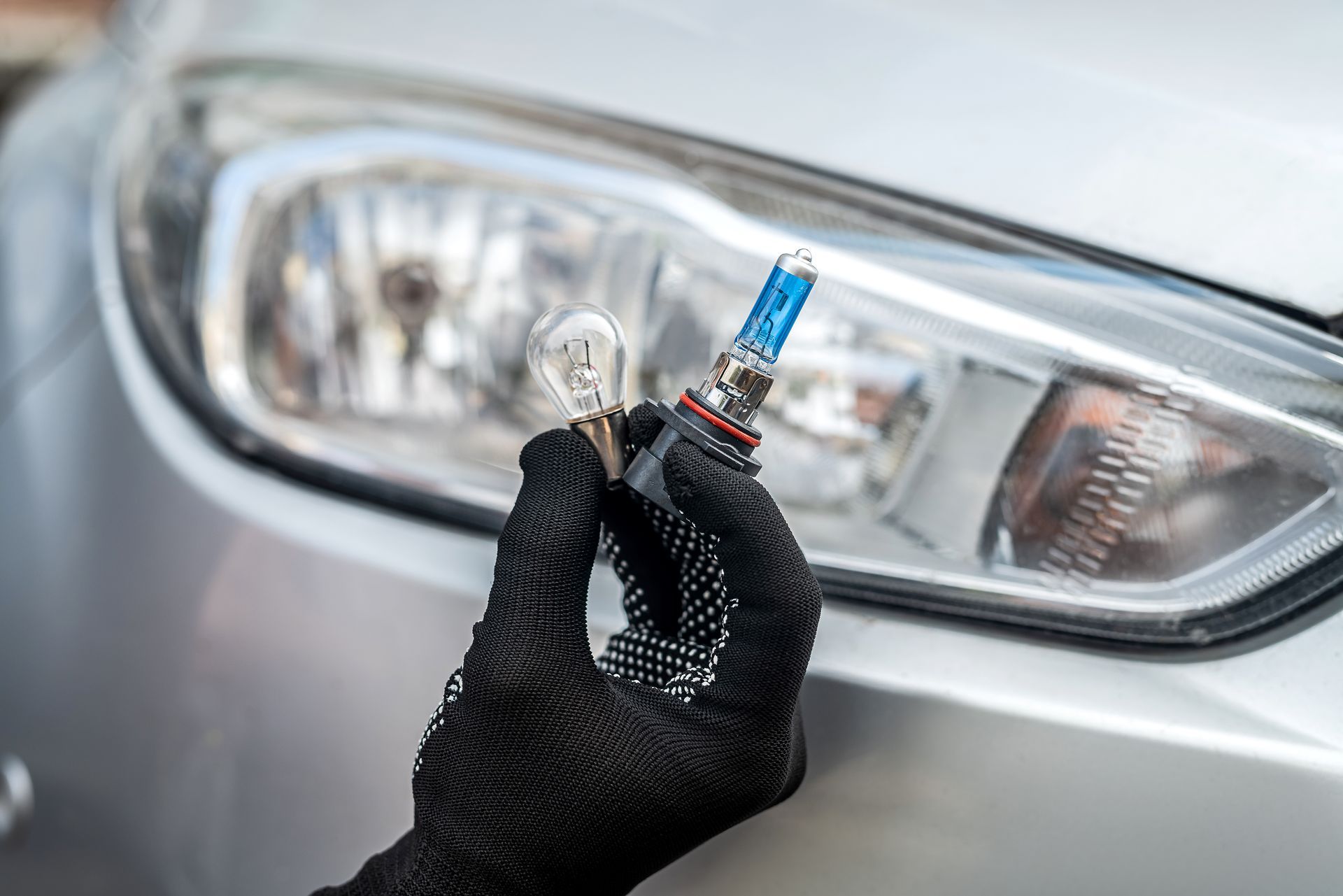
Sometimes the charging system is stable, but the flicker is happening inside the headlight circuit itself. Traditional halogen setups can flicker from an aging bulb filament, a worn headlight relay, or a switch that is developing internal resistance.
On newer vehicles, headlights may be controlled by a body control module, LED driver, or other electronics. A failing module can create a pulsing effect, and a poor connector at the headlight housing can cause intermittent operation. Moisture intrusion can also play a role if a connector seal is compromised.
If only one headlight flickers, that often points to a bulb, connector, or localized circuit issue. If both headlights flicker together, it more commonly suggests a system-wide voltage problem, though there are exceptions.
What To Do When You Notice Flickering
If your headlights flicker, these steps can help you decide what to do next without turning it into a bigger problem:
- If the battery warning shows on the dashboard, limit driving and have the charging system checked soon.
- If the flicker happens with bumps or turning, suspect a loose connection or ground and have the wiring inspected.
- If you notice any burning smell or hot plastic odor, stop driving and get it checked right away.
- If only one headlight flickers, avoid night driving until it is inspected, since one headlight can turn into none unexpectedly.
- If the flicker is getting more frequent week to week, schedule an electrical check before it escalates into a no-start.
Most of the time, the fix is straightforward once the exact cause is confirmed. The key is not ignoring it until you are forced into an emergency situation.
Get Electrical Diagnostics in Spokane Valley, WA, with AutoCraft
We can test your battery and charging system, inspect connections and grounds, and pinpoint why your headlights are flickering. We’ll confirm whether it’s a voltage issue, a belt drive problem, or a headlight circuit fault, then recommend the repair that actually solves it.
Call
AutoCraft in Spokane Valley, WA, to schedule electrical diagnostics and get dependable lighting back on the road.