A lot of drivers are comfortable with oil and transmission fluid intervals, but the differential is easy to forget. It is tucked away at the back (or front) of the vehicle, quietly doing its job until one day it starts to howl, clunk, or leave metal on the drain plug.
By the time those noises show up, the fluid inside has usually been neglected for quite a while.
What Your Differential Actually Does
The differential takes power from the driveshaft and sends it to the wheels while still allowing them to turn at different speeds. That is what lets you corner smoothly without the inside tire skipping across the pavement. Inside the housing are gears, bearings, and clutches that rely on a film of gear oil to keep them from grinding themselves apart.
That gear oil is thicker than engine oil and has additives to handle the high pressure between gear teeth. It also carries away some heat, cushions shock loads when you accelerate, and helps protect the metal from corrosion. When it is in good shape, you never think about it. When it breaks down, every mile starts to leave a mark.
Why Differential Fluid Wears Out Over Time
Differential fluid lives a tough life. It is constantly being squeezed between gear teeth under heavy load, especially when you tow, haul, or climb hills. Heat and time slowly weaken the additives that protect against wear and pitting. Tiny metal particles from normal gear contact get suspended in the oil and build up as the miles add up.
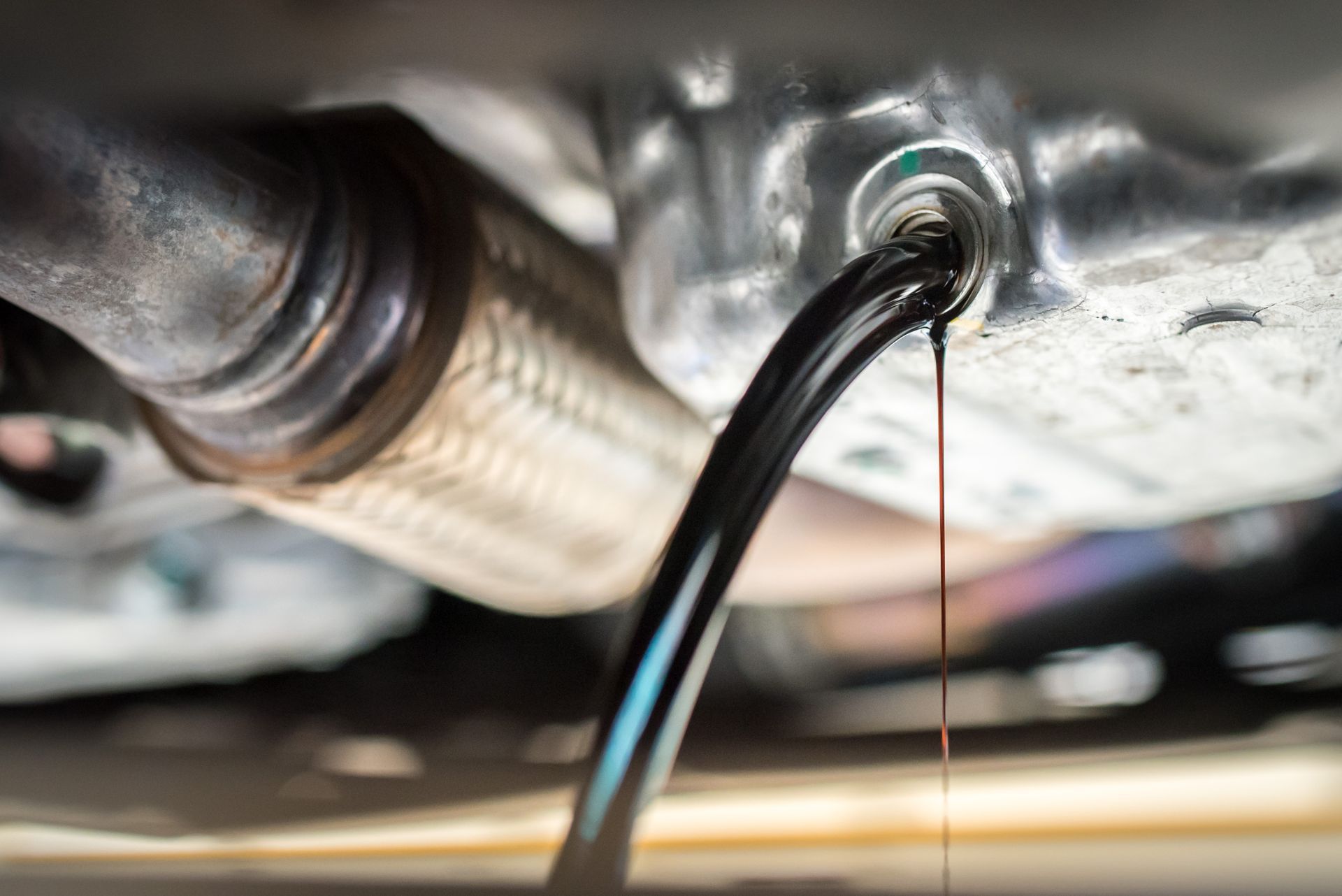
If the vent on top of the housing gets plugged, pressure can force a bit of fluid past the seals, lowering the level. Water can also get in if you drive through deep standing water or off-road, which dilutes the fluid and hurts its ability to protect. From our side of the drain pan, dark, burnt smelling fluid and a fuzzy drain plug magnet are clear signs it has stayed in there too long.
Symptoms That Your Differential Fluid May Be Old
Differential problems usually start quietly, then get louder as damage spreads. You might notice:
- A low growl or humming noise that changes with speed, often louder on deceleration or light throttle
- A whine at highway speeds that was not there before, especially under steady load
- Clunks or chatter when you turn into a parking spot or pull away from a stop
- Fluid seepage around the cover, pinion seal, or axle seals along with those noises
By the time noises are obvious, some wear has already occurred. Changing the fluid at that point can sometimes quiet things down, but in other cases, it just keeps a worn differential from getting worse as quickly.
Driving Conditions That Demand More Frequent Changes
The service interval in the owner’s manual is written for a mix of “normal” driving, which many people never actually see. Towing a trailer, carrying heavy loads, long highway grades, and regular stop-and-go traffic all make the differential work harder and hotter. That extra heat breaks fluid down faster.
Short trips in cold weather are not kind either. The oil may never get warm enough to flow and protect the way it should. If you use four wheel drive often, the front differential and transfer case are seeing similar stress. When we look at service history, we pay attention to how the vehicle is actually used, not just the odometer number.
How Often Should You Change the Differential Fluid?
The right interval depends on the design and use, but there are some practical guidelines. Many manufacturers suggest somewhere in the 30,000 to 60,000 mile range for severe service, and longer for light use. If you tow, haul, or drive in hilly country on a regular basis, aiming for the shorter end of that range is usually smart.
A simple way to think about it is: if you are already in for major fluid services, like transmission or transfer case, that is a good time to ask about the differential as well. If you have never changed it and you are well past 60,000 miles, it is worth putting on your near term list. Once we crack the cover or pull the plug and see the fluid, we can give you a more specific recommendation for the next interval.
Why DIY Differential Service Can Be Risky
On paper, draining and filling a differential looks like a simple job. In reality, doing it wrong can get expensive. Using the wrong viscosity, the wrong additive package, or forgetting required friction modifiers can make limited slip units chatter and wear quickly. Over or under filling can also cause foaming or starvation, which hurts bearings and gears.
There is also the matter of properly sealing the cover, torquing fasteners, and cleaning the magnet and housing. We have fixed plenty of “simple” DIY services that came in with leaks, noise, or stripped plugs. Having it done correctly with the right fluid and procedure is much cheaper than rebuilding a differential that ran too long on the wrong oil.
Get Differential Fluid Changes in Spokane Valley, WA with AutoCraft
If you cannot remember the last time your differential fluid was changed, or you are starting to hear new noises from the rear of the vehicle, this is a good time to have it checked. We can inspect the housing, drain and evaluate the old fluid, and refill it with the correct gear oil for how and where you drive.
Schedule differential fluid changes in Spokane Valley, WA with AutoCraft, and we will help keep your gears quiet and protected for the long haul.
- AutoCraft - Dishman
- AutoCraft - Veradale