Shopping for a used car used to be all about checking the oil dipstick and listening for knocks in the engine. While those things still matter for gas-powered cars, the rise of electric vehicles and hybrids has completely changed the game for buyers. If you are looking at a pre-owned Tesla, Prius, or any of the newer plug-in models hitting the market in 2026, you need a different set of eyes. These cars are sophisticated machines that rely on high-voltage systems and software as much as they do on tires and brakes.
At our shop, we have seen a major increase in customers bringing in used EVs and hybrids for a pre-purchase inspection. We love seeing people make the switch to more efficient driving, but we also see the pitfalls when a buyer gets distracted by a shiny infotainment screen and forgets to check the heart of the car. Here is our professional perspective on what you should prioritize before you sign those papers.
The Health of the Battery Pack
The battery is the most expensive component in any EV or hybrid. Think of it as the engine and the fuel tank rolled into one. Unlike a gas tank that holds the same amount of fuel forever, a lithium-ion battery naturally loses some of its capacity over time and through thousands of charging cycles.
When you take a test drive, do not just look at the current range. You want to know the state of health of the battery. Many modern EVs allow you to access a battery health report through the settings menu on the dashboard. If the car is a hybrid, listen to how often the gas engine kicks in. If the engine is running almost constantly, even at low speeds, it is a sign that the hybrid battery can no longer hold a significant charge.
Charging History and Equipment
How a car was charged matters almost as much as how many miles are on the odometer. Batteries prefer to live between twenty percent and eighty percent charge. If the previous owner constantly sat at a supercharger to blast the battery to one hundred percent every single day, it might have more degradation than a car that was mostly charged slowly overnight in a garage.
- Check the Port:
Look closely at the charging port for any signs of melting, burn marks, or cracked plastic. A damaged port can be a very expensive fix and a potential fire hazard.
- Inspect the Cables:
Make sure the car comes with its original mobile charging cable. These units can cost hundreds of dollars to replace if they are missing or frayed.
- Service Records: Ask if the high-voltage cooling system has ever been flushed. These batteries generate a lot of heat, and the liquid cooling system is what keeps them from cooking.
The Hidden Wear and Tear
Because EVs and hybrids are so quiet, they can hide mechanical issues that you would normally hear over the roar of a gas engine. On your test drive, turn the radio off and roll the windows up. Listen for high-pitched whines from the electric motors or clunking sounds from the suspension.
Electric vehicles are significantly heavier than their gas counterparts due to the weight of the batteries. This extra mass puts a lot of stress on the suspension bushings, struts, and tires. We frequently see used EVs with worn-out suspension components long before a traditional car would need them. Check the tires for uneven wear patterns, as this can indicate the car is out of alignment or has spent its life carrying heavy loads.
Braking Systems and Corrosion
One of the coolest things about these cars is regenerative braking. When you lift off the gas, the motor slows the car down and puts energy back into the battery. This means the actual friction brakes might hardly ever get used. While that sounds great, it can lead to its own set of problems.
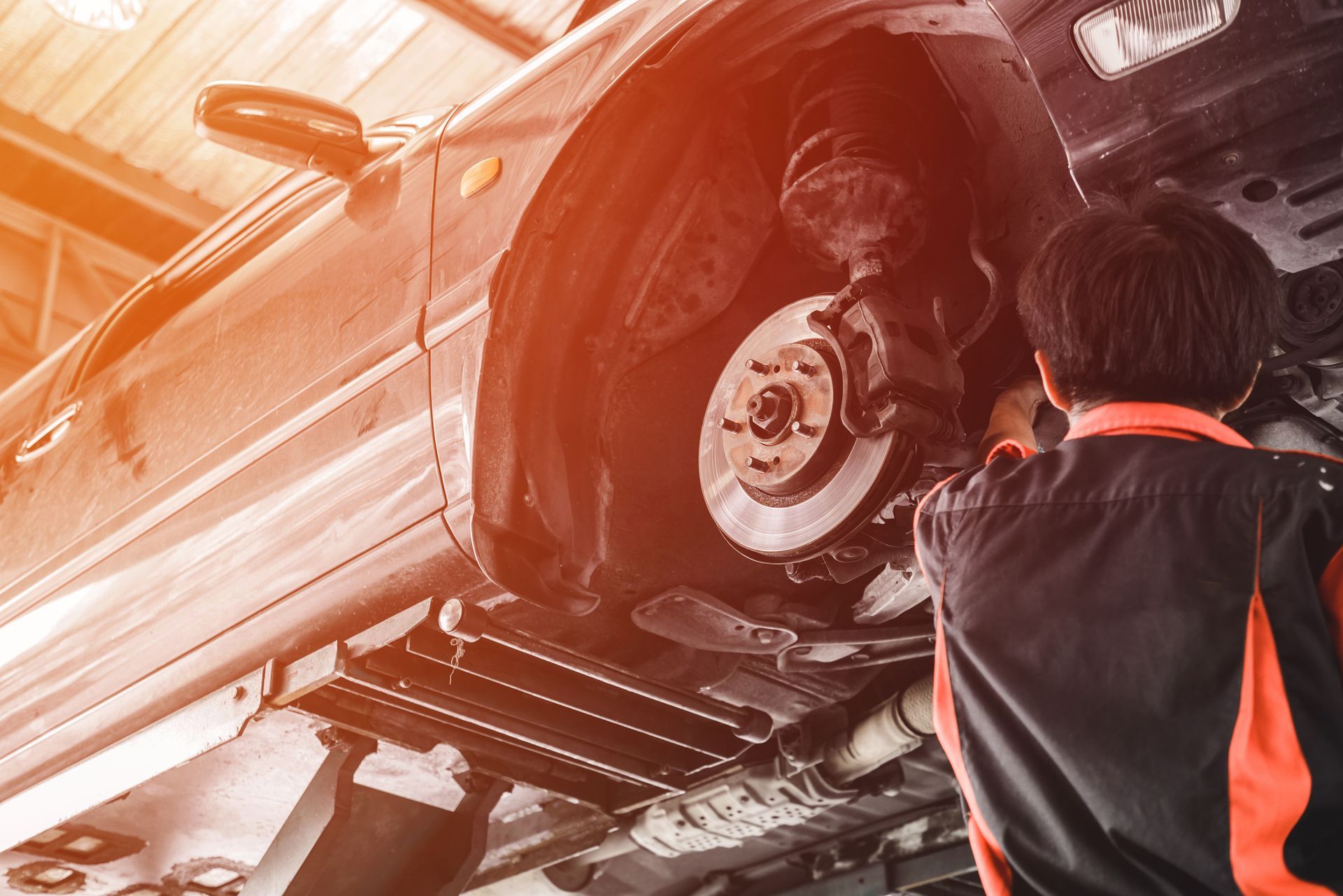
In regions like ours, where road salt is common in the winter, the brake rotors can actually rust, and the calipers can seize up because they are not being exercised enough. During your inspection, we look for heavily pitted rotors or uneven pad wear that suggests the mechanical brakes are sticking.
Software and Technology Updates
Buying a used EV is a bit like buying a used laptop. You want to make sure the hardware can still handle the latest software updates. Check the infotainment system for responsiveness and ensure that the car is not still registered to the previous owner's mobile app. You want to be sure you can actually take control of the vehicle's connected features once you get it home.
Let Us Be Your Second Set of Eyes
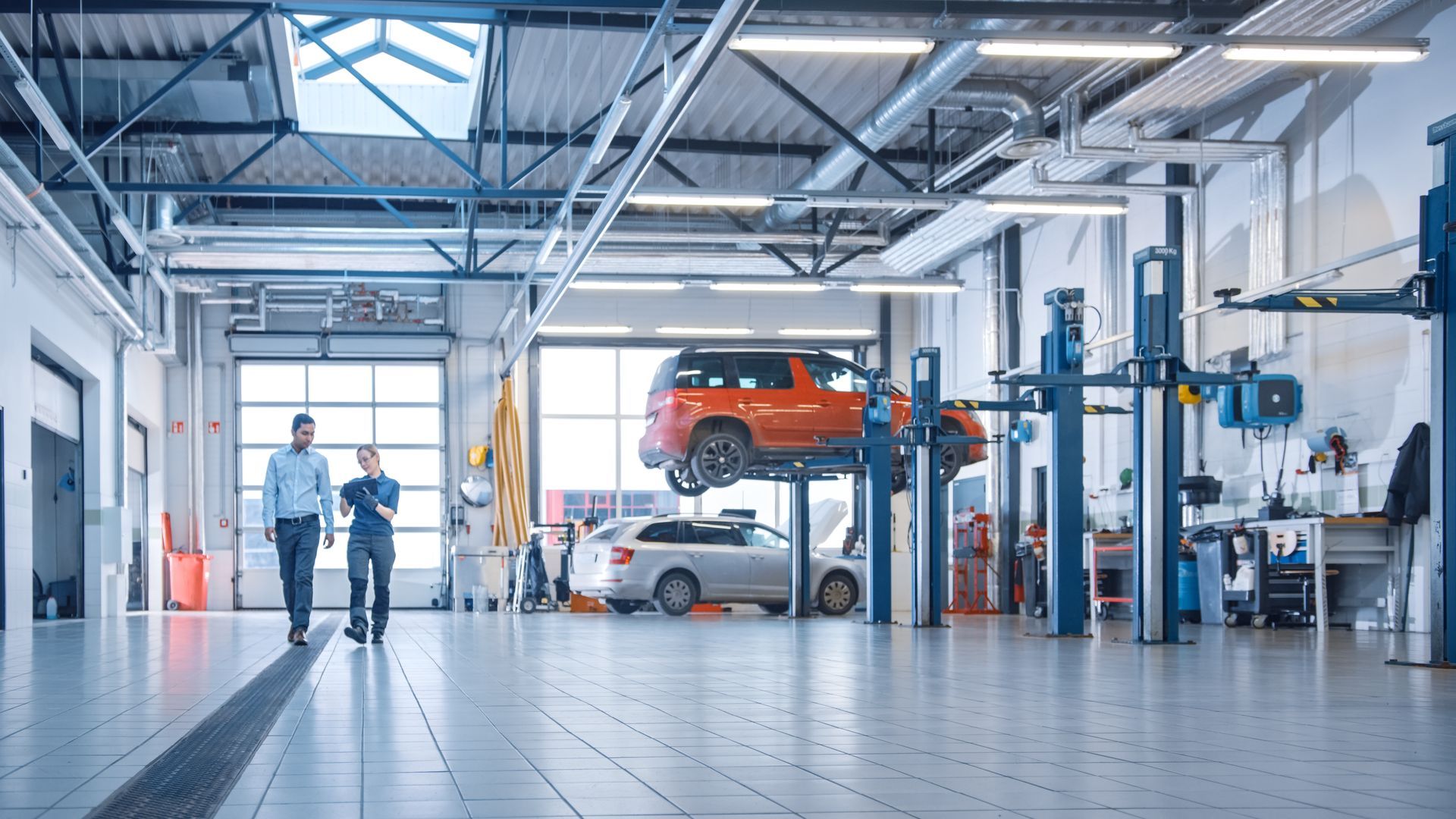
The best way to avoid a lemon is to have a professional look at the car on a lift. Our team has the specialized diagnostic tools needed to plug into a vehicle's computer and read the actual battery data that isn't always visible on the dashboard.
Do not go into a used EV or hybrid purchase blind. Bring the car by AutoCraft in Spokane Valley, WA, for a comprehensive pre-purchase inspection.