Oil changes sound simple enough that they are easy to underestimate. Drain the old oil, install a filter, pour in fresh oil, and the engine is happy. At least, that is the version most drivers think about.
The details matter more than that.
Modern engines use oil for more than basic lubrication. Oil helps control heat, protect timing components, support variable valve timing, reduce deposits, and keep tight internal passages clean. Small mistakes around oil service can shorten engine life without making much noise at first.
1. Waiting Too Long Because The Car Still Runs Fine
Old oil does not usually announce itself right away. The engine may start and idle normally and still get you across Spokane Valley without complaint. That does not mean the oil is still protecting the engine the way it should.
Heat, moisture, fuel residue, and tiny wear particles all work on the oil over time. Short trips, traffic, cold starts, and long idle time can age oil faster than easy highway driving. The miles on the sticker are helpful, but they are not the whole story.
We see plenty of engine wear that started quietly because the oil change interval kept getting stretched out. By the time the engine ticks, burns oil, or shows timing-related faults, the easy part of the maintenance window may already be gone.
2. Thinking Dark Oil Always Means Bad Oil
Dark oil makes people nervous, but color alone does not tell the full story. Oil often darkens as it holds soot and contaminants in suspension. That is part of its job. Fresh oil can turn dark quickly in some engines, especially if the vehicle does many short trips.
The bigger concerns are oil that feels gritty, smells strongly like fuel, looks sludgy, or has a milky appearance. Those signs say more than color. Milky oil can point to moisture or coolant contamination. A strong fuel smell can point to dilution. Thick, sticky oil may indicate overdue service or a buildup of deposits.
Do not judge oil only by how it looks on the dipstick. Level, mileage, time, smell, and engine behavior all belong in the same conversation.
3. Using The Wrong Oil For The Engine
The oil weight on the bottle is not the only thing that matters. Many newer engines require a specific oil specification, not just a familiar viscosity like 5W-30 or 0W-20. Two bottles can show the same weight and still not meet the same requirements.
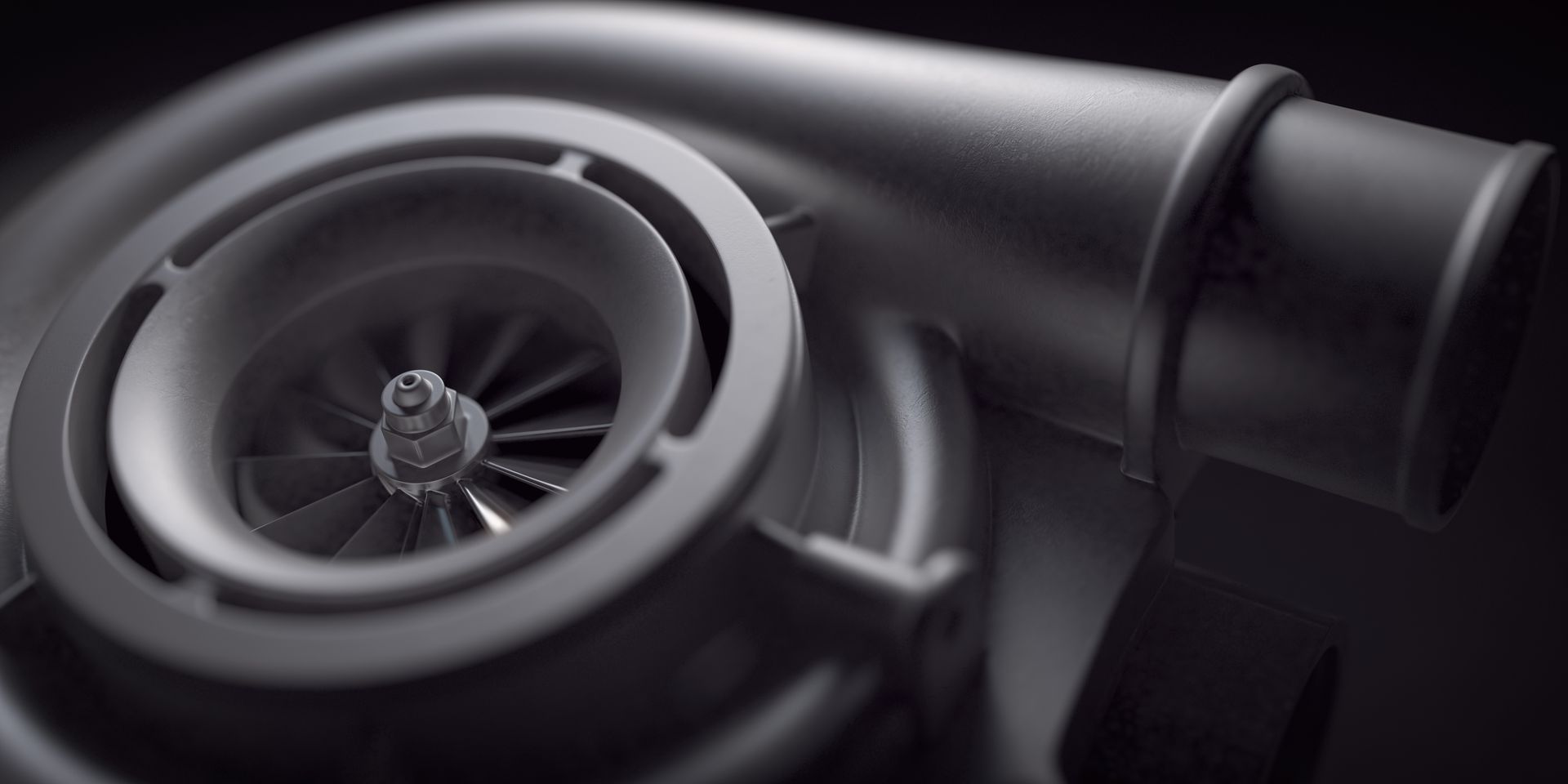
That matters for turbochargers, timing chains, variable valve timing, emissions equipment, and cold-start protection. The wrong oil may not cause an instant problem, which is what makes this mistake easy to miss. The engine keeps running while wear, deposits, or poor oil flow slowly build in the background.
Our technicians check the manufacturer's requirements before service, because 'close enough' is not a good oil plan. The correct oil is not about being fancy. It is about matching the way the engine was built.
4. Forgetting The Oil Filter Matters Too
A cheap or overdue filter can undo part of a good oil change. The filter catches debris that should not keep circulating through the engine. If the filter is poor quality, clogged, incorrectly installed, or paired with the wrong oil interval, the engine may not get the protection you expect.
Some filters have bypass valves and anti-drainback valves that must function correctly. If they do not, oil flow and startup protection can suffer. On cartridge-style filters, seals and caps also need careful installation. A pinched O-ring or loose housing can turn a simple service into an oil leak.
Fresh oil deserves a filter that can keep up. Skipping that part, or treating every filter as identical, is a mistake that shows up later.
5. Not Checking Oil Between Services
An engine can be up to date on oil changes and still run low. Some engines use oil as they age. Others leak from valve cover gaskets, oil pan seals, oil filter housings, drain plugs, or crank seals. A clean driveway does not always prove the engine is dry underneath.
Oil can collect on splash shields, spread under the car, or burn off on hot exhaust parts. A faint burnt-oil smell after driving may be the first clue. If the dipstick keeps dropping, track how much oil you add and how many miles it takes.
That pattern helps during an inspection. A quart every few thousand miles is very different from a quart every few hundred miles. Low oil is one of the fastest ways to turn a small issue into serious internal wear.
Why Good Oil Habits Protect The Engine
Oil service works best when it is consistent and specific to the vehicle. Use the right oil, replace the filter, follow a realistic interval, check the level, and pay attention to leaks or warning lights. That is not overthinking it. That is basic engine protection.
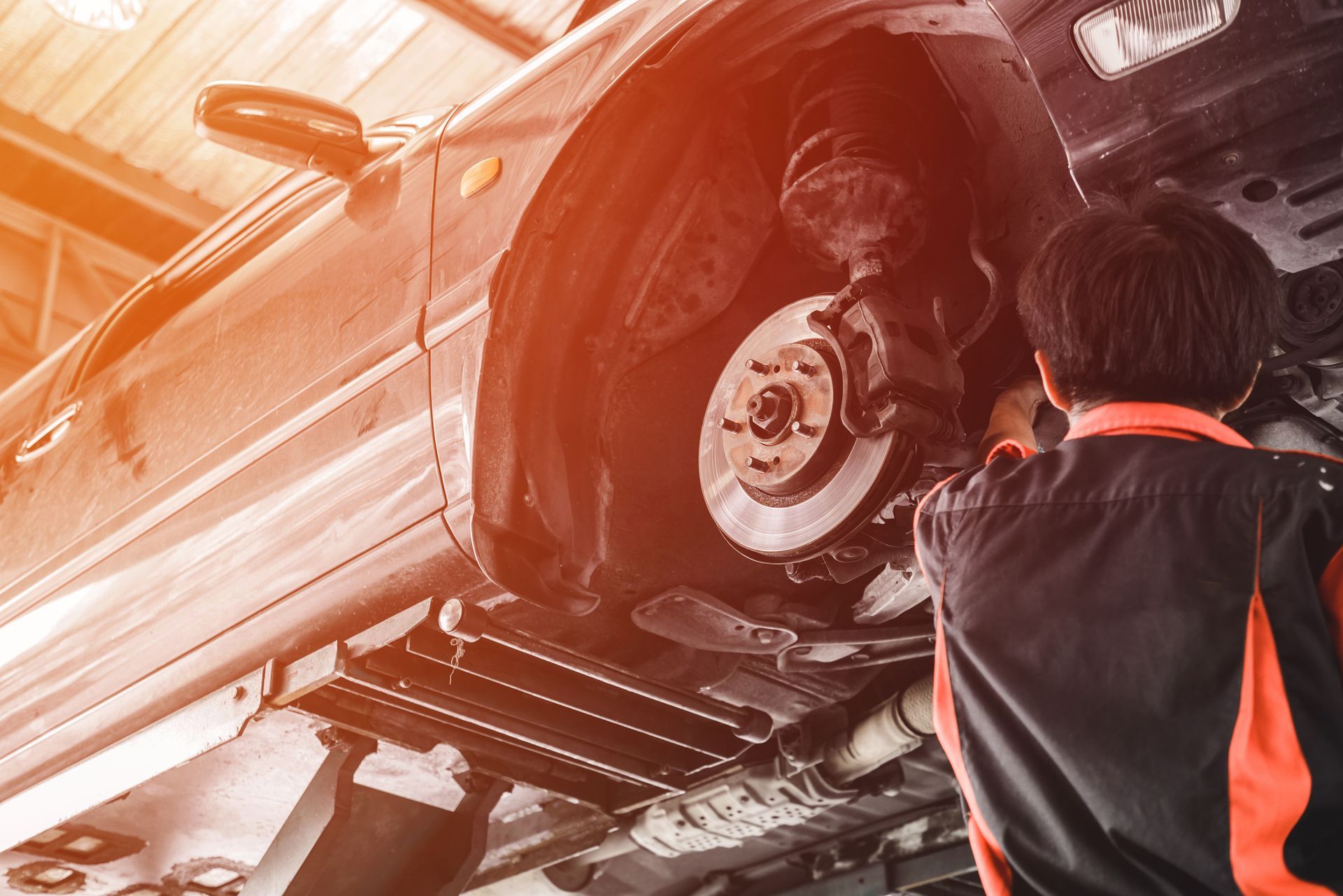
Regular maintenance also gives the shop a chance to look for related problems while the vehicle is already in. Fresh oil seepage, low coolant, cracked belts, dirty filters, and weak batteries are easier to catch before they interrupt your week.
Get Oil Change Service In Spokane Valley, WA, With AutoCraft
If your vehicle is due for an oil change, is using oil between services, or shows signs of leaks or engine wear, AutoCraft in Spokane Valley, WA, can service it with the correct oil and filter and check for early warning signs.
Schedule a visit and avoid small oil service mistakes that can shorten the life of your engine.